Call us at +389 71 833 806

February 10, 2026
Tap Water Quality in Balkan Cities: Is It Safe to Drink?
Is tap water safe in the Balkans? This is one of the most common questions travelers
ask when planning trips through Southeast Europe. From Slovenia and Croatia to Serbia, Bosnia, and Albania, tap water quality varies by city, infrastructure, and local conditions.
This guide provides a city-by-city breakdown of tap water safety in Balkan cities, backed by real travel experience, infrastructure analysis, and current standards — so you can travel confidently, stay healthy, and avoid unnecessary bottled water.
Quick Answer: Is Tap Water Safe in the Balkans?
Tap water is generally safe to drink in most major Balkan cities, including
Ljubljana , Zagreb, Belgrade, Sarajevo, and Podgorica. However, water quality can vary depending on building age, pipe conditions, and season. Travelers with sensitive stomachs may prefer filtered or bottled water in certain areas.
Tap Water Quality by Balkan Region
EU vs Non-EU Balkan Countries
Tap water quality in the Balkans often depends on infrastructure oversight rather than natural water sources. EU member states follow strict European water regulations, while non-EU countries may have excellent water sources but older distribution systems.
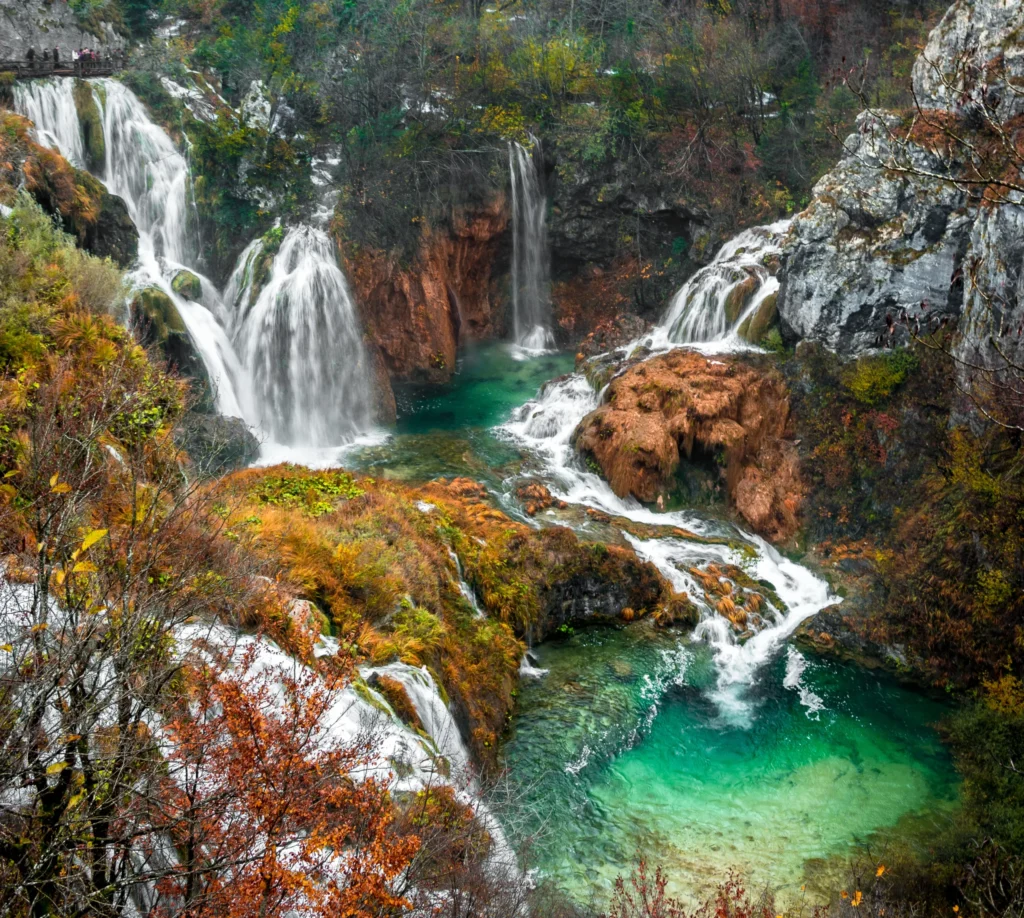
Ironically, many Balkan countries have some of the cleanest natural mountain water in Europe. The main risk usually comes from aging pipes, not water contamination.
City-by-City Tap Water Safety in the Balkans
Ljubljana, Slovenia
Status: ✅ Safe to drink
Ljubljana’s tap water comes from protected alpine aquifers and is among the cleanest in Europe. It meets strict EU standards and is widely consumed by locals.
Zagreb, Croatia
Status: ✅ Safe to drink
Zagreb’s tap water is sourced from underground wells along the Sava River. It is safe for drinking, brushing teeth, and cooking. Travelers booking Croatia tour packages can confidently drink tap water in most accommodations.
Belgrade, Serbia
Status: ⚠️ Generally safe
Belgrade’s tap water is treated and considered safe, though it often has a noticeable chlorine taste. Most locals drink it daily, but visitors with sensitive stomachs may prefer filtered water.
Sarajevo, Bosnia and Herzegovina
Status: ✅ Safe to drink
Sarajevo benefits from high-quality mountain spring water. The tap water is clean, minimally treated, and trusted by residents.
Podgorica, Montenegro
Status: ✅ Safe to drink
Podgorica’s water comes from underground karst sources and is generally safe. In coastal areas like Budva and Kotor, taste may change during summer due to high demand.
Tirana, Albania
Status: ❌ Not recommended
Although safe for brushing teeth and cooking, tap water in Tirana is not recommended for drinking due to infrastructure inconsistencies. Most locals rely on bottled water.
Skopje, North Macedonia
Status: ⚠️ Conditionally safe
Tap water is officially potable, but older pipes affect taste. Filtered water is recommended for longer stays.
Pristina, Kosovo
Status: ⚠️ Use caution
Tap water is treated and monitored, but infrastructure quality varies. Bottled or filtered water is advised outside modern hotels.
Why Balkan Tap Water Is Often Misunderstood
- Natural water sources are generally very clean
- Older buildings may have outdated plumbing
- Seasonal tourism can strain water systems
Many stomach issues blamed on tap water are actually caused by food handling, ice cubes, or sudden diet changes.
Bottled Water vs Tap Water: What Locals Do
| Country | Do Locals Drink Tap Water? | Tourist Recommendation |
|---|---|---|
| Slovenia | Yes | Yes |
| Croatia | Yes | Yes |
| Serbia | Yes | Mostly yes |
| Bosnia & Herzegovina | Yes | Yes |
| Montenegro | Yes | Yes |
| Albania | Rarely | No |
Practical Water Safety Tips for Balkan Travel
- Use a reusable filter bottle for long stays or road trips
- Avoid drinking from taps in very old apartment buildings
- If locals drink tap water at restaurants, it’s usually safe
These tips are especially useful for travelers joining multi-country Balkan tours, where water quality can change quickly between destinations.
Health, Visa & Travel Basics
Visas: Many Balkan countries are visa-free for EU, UK, and US travelers.
Currency: Euros, local dinars, or lek depending on the country.
Transportation: Buses dominate regional travel.
Best time to visit: May–June and September offer ideal conditions.
Frequently Asked Questions
Is tap water safe to drink in the Balkans?
Yes, in most major cities tap water is safe. Albania and some rural areas are exceptions.
Can tourists drink tap water in Belgrade?
Yes, most travelers can safely drink tap water in Belgrade, though taste varies.
Is bottled water necessary?
Not always. In Slovenia, Croatia, Bosnia, and Montenegro it’s largely unnecessary.
Can I brush my teeth with tap water?
Yes, in all Balkan cities, including Albania.
Does tap water taste different across Balkan cities?
Yes. Tap water taste varies depending on mineral content, treatment methods, and pipe age. Mountain-sourced water in cities like Sarajevo and Ljubljana tastes fresher, while cities such as Belgrade may have a stronger chlorine taste despite being safe.
Is tap water safe for children and pregnant travelers in the Balkans?
In major cities with reliable infrastructure, tap water is generally safe for children and pregnant travelers. However, in countries like Albania or in older buildings, bottled or filtered water is recommended as a precaution.
Are public water fountains safe to drink from in Balkan cities?
In many Balkan cities, especially in Bosnia, Montenegro, and Slovenia, public fountains connected to spring sources provide drinkable water. Always look for local signs indicating “drinking water” and observe whether locals use them.
Travel Smarter in the Balkans
Tap water safety in the Balkans is not about fear — it’s about understanding local conditions. With the right knowledge, you can reduce plastic waste, save money, and stay healthy.
At Ajdinis Travel, we help travelers experience the Balkans with confidence through expertly designed itineraries, authentic experiences, and reliable guidance — whether you’re booking custom Croatia tour packages or exploring the region on immersive Balkan tours.
Explore the Balkans smarter. Travel with Ajdinis Travel .
FAQ
Other Posts
February 9, 2023
How to Explore Balkan Mountain Villages?
January 13, 2026
Renting a Car in the Balkans: Everything You Need to Know
April 15, 2025
Most Romantic Places in the Balkans 2025
May 13, 2023
What are the Top Balkan UNESCO Sites?
June 6, 2024
Border Crossings in the Balkans: What Every Traveler Should Know
August 16, 2025