
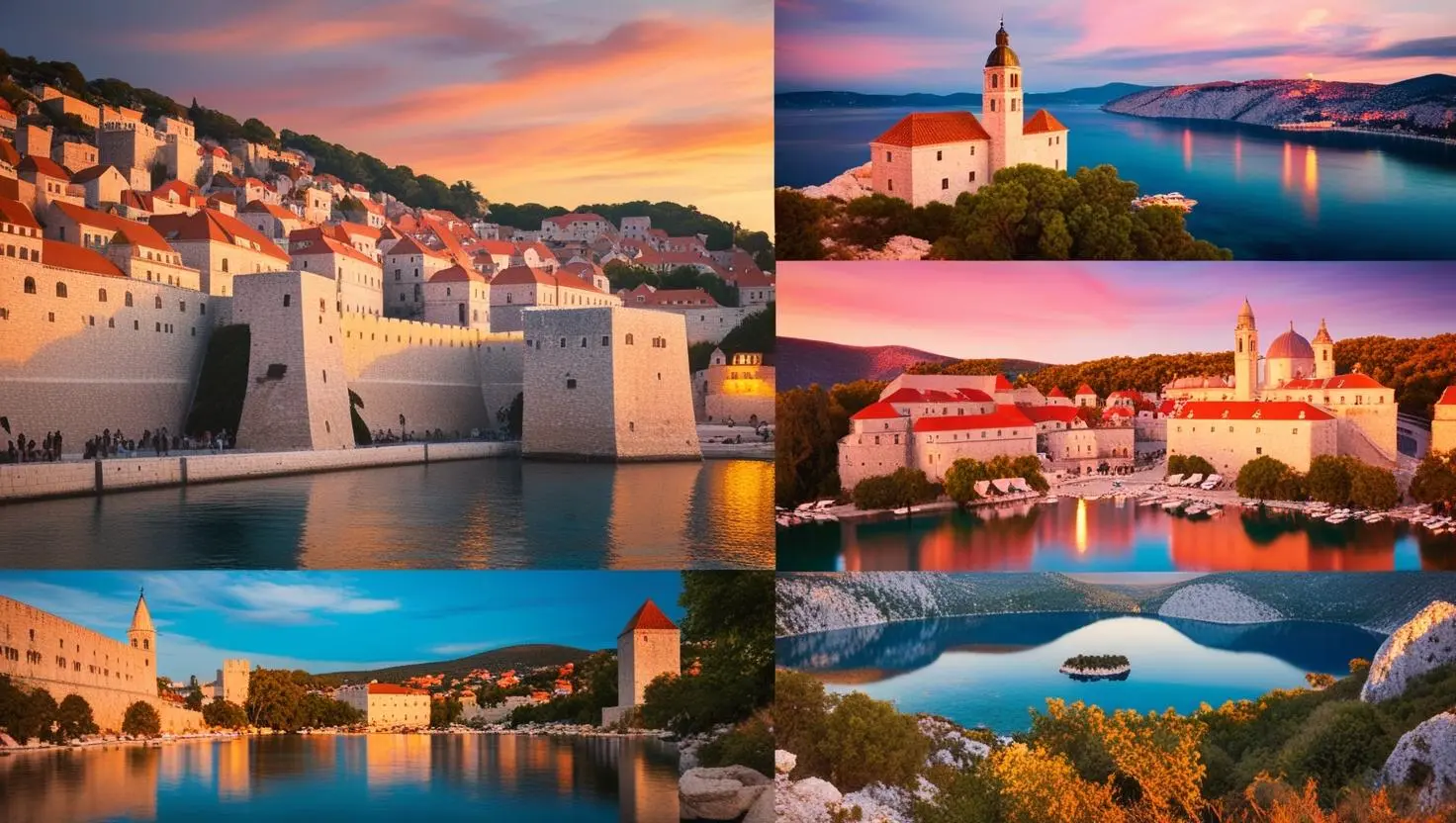
The Balkans remain Europe’s most underrated UNESCO treasure. While most travelers focus on Western Europe, this region offers medieval fortresses, Ottoman bridges, Byzantine monasteries, and untouched natural parks — often without the overwhelming crowds.
This guide helps you discover every major UNESCO World Heritage Site in the Balkans and shows you how to turn your trip into the Best Balkan Tour experience — whether you prefer an Escorted Balkan Tour or intimate Balkan Small Group Tours.
What Are UNESCO World Heritage Sites?
UNESCO World Heritage Sites are cultural or natural landmarks recognized for their outstanding universal value to humanity. They are legally protected and preserved due to historical, architectural, ecological, or cultural importance.
UNESCO Sites by Country
Albania
- Historic Centres of Berat and Gjirokastër
- Butrint Archaeological Site
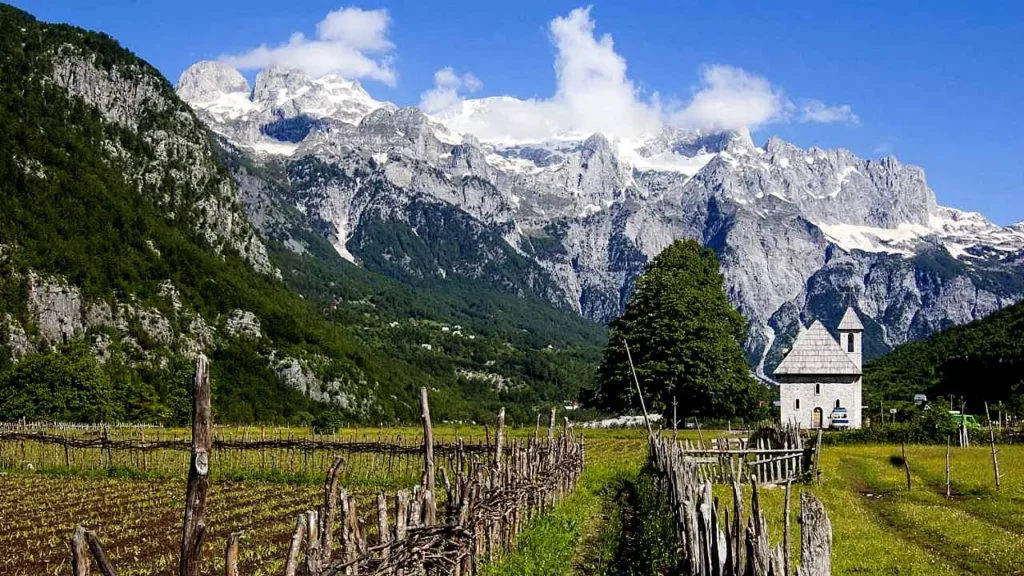
Albania offers authentic Ottoman-era towns, mountain fortresses, and ancient ruins. Berat’s white houses and Gjirokastër’s stone architecture remain among the Balkans’ most atmospheric UNESCO sites.
Croatia
- Old City of Dubrovnik
- Plitvice Lakes National Park
- Diocletian’s Palace (Split)
Dubrovnik’s medieval walls and Plitvice’s turquoise lakes make Croatia one of the most visited UNESCO destinations in Southeast Europe.
Bosnia and Herzegovina
- Old Bridge Area of Mostar
- Mehmed Paša Sokolović Bridge
Mostar’s iconic bridge symbolizes cultural resilience and Ottoman heritage.
Montenegro
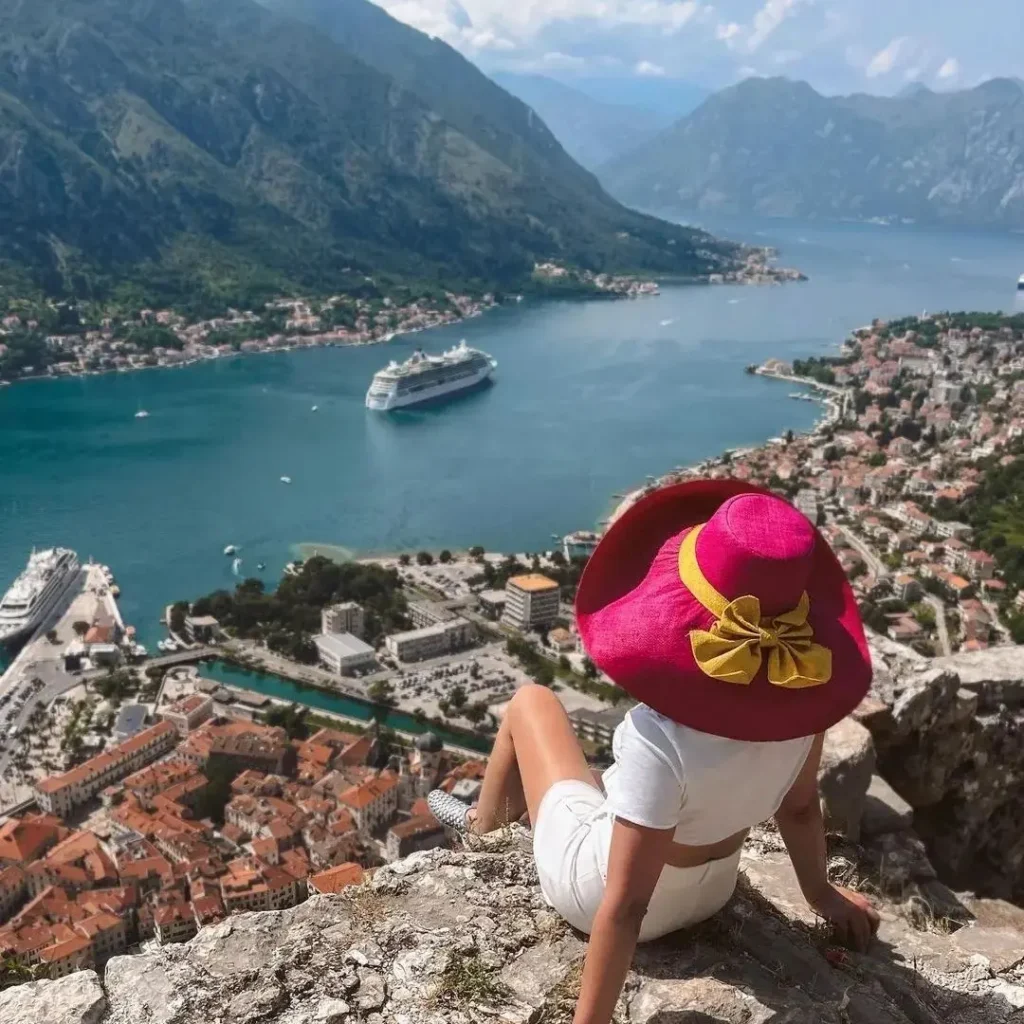
- Natural and Culturo-Historical Region of Kotor
Kotor blends fjord-like landscapes with medieval architecture.
Serbia
- Studenica Monastery
- Medieval Monuments in Kosovo
- Rila Monastery
- Boyana Church
- Thracian Tomb of Kazanlak
Slovenia
- Škocjan Caves
Greece (Balkan Peninsula)
- Meteora Monasteries
- Mount Athos
How Many UNESCO Sites Are in the Balkans?
The Balkans contain more than 40 UNESCO World Heritage Sites across cultural and natural categories, making it one of Europe’s most diverse heritage regions.
Best Time to Visit Balkan UNESCO Sites
- April–June: Ideal weather, fewer crowds
- September–October: Warm seas, better prices
- July–August: Peak tourism in Croatia and Montenegro
Visa & Entry Information (2026)
- Most EU, US, UK travelers: Visa-free 90 days
- Schengen countries follow EU visa rules
- Serbia, Albania, Bosnia: Visa-free for many Western nationals
Currency Guide
| Country | Currency |
|---|---|
| Croatia | Euro |
| Montenegro | Euro |
| Serbia | Serbian Dinar |
| Albania | Lek |
| Bosnia | Convertible Mark |
Transportation Tips
- Regional buses connect most UNESCO sites
- Car rental gives flexibility for rural monasteries
- Cross-border travel is generally smooth
Sample 7-Day UNESCO Balkan Itinerary
- Dubrovnik
- Mostar
- Kotor
- Berat
- Ohrid
- Skopje
- Plitvice Lakes
Why Choose a Guided Balkan Tour?
While independent travel is possible, many visitors prefer an Escorted Balkan Tour to simplify border crossings, language barriers, and transportation logistics.
Our curated Balkan Small Group Tours provide:
- Local expert guides
- Comfortable cross-border transport
- Pre-arranged UNESCO site entries
- Authentic cultural experiences
If you’re searching for the Best Balkan Tour in 2026, Ajdinis Travel offers heritage-focused itineraries designed around UNESCO exploration, safety, and authentic local access.
Frequently Asked Questions
Can I visit multiple Balkan countries in one trip?
Yes. Many UNESCO routes naturally connect across borders, especially on organized tours.
Do I need a visa to visit multiple Balkan countries in one trip?
Most travelers from the EU, UK, US, Canada, and Australia can visit Balkan countries visa-free for up to 90 days within a 180-day period. However, rules differ between Schengen and non-Schengen states, so always verify requirements through official embassy sources before traveling.
What is the best way to visit multiple UNESCO sites in the Balkans?
The most efficient way is by joining an Escorted Balkan Tour or planning a structured self-drive itinerary. Guided tours simplify border crossings, transportation logistics, and provide expert insight at UNESCO sites, making them ideal for first-time visitors.
Are Balkan UNESCO sites suitable for small group travel?
Yes. Many sites are perfect for Balkan Small Group Tours because historic centers are compact and walkable. Smaller groups allow easier monastery visits, cultural interactions, and access to protected natural parks without large tourist crowds.
How much does a Balkan UNESCO tour typically cost?
A 7–10 day UNESCO-focused itinerary typically costs between €1,200 and €2,500 per person, depending on accommodation level, transport style, and whether it is a private or Best Balkan Tour escorted experience. The Balkans remain more affordable than Western Europe.
Plan Your UNESCO Journey with Ajdinis Travel
Ready to explore Europe’s most authentic heritage region? Let Ajdinis Travel
design your perfect itinerary — from fully Escorted Balkan Tours to immersive Balkan Small Group Tours.
Contact us today and start planning the Best Balkan Tour experience for 2026.