Call us at +389 72 641 066

January 15, 2026
Religious Sites Tour in the Balkans: Churches & Mosques Guide
Standing in Sarajevo’s old town, you can hear church bells and the call to prayer within minutes of each other. This isn’t symbolism—it’s daily life in the Balkans.
For travelers seeking meaningful journeys beyond beaches and capitals, a religious sites tour of churches and mosques in the Balkans offers something rare: a living lesson in coexistence shaped by centuries of faith, conflict, tolerance, and rebirth.
This guide is designed for travelers who want historical depth, cultural understanding, and practical travel planning—all from real regional experience.
What Is a Religious Sites Tour in the Balkans?
A Balkan religious tour explores historic churches and mosques religious travel Southeast Europe, highlighting centuries of Christian and Islamic heritage, architecture, and coexistence shaped by Byzantine, Ottoman, and Slavic cultures.
Understanding the Balkans’ Religious Landscape
The Balkans sit at the crossroads of three major religious traditions:
- Eastern Orthodox Christianity
- Roman Catholicism
- Islam
This diversity developed through centuries of Byzantine influence, Ottoman rule, and later Austro-Hungarian governance interfaith heritage Balkans leaving behind sacred architecture unmatched elsewhere in Europe.
Religious Composition by Country
| Faith | Main Countries |
|---|---|
| Orthodox Christianity | Serbia, North Macedonia, Montenegro |
| Catholicism | Croatia, Slovenia |
| Islam | Bosnia & Herzegovina, Albania, Kosovo |
| Mixed Traditions | Bulgaria, Romania |
Iconic Balkan churches
Orthodox Monasteries and Churches
Studenica Monastery (Serbia – UNESCO)
Founded in the 12th century, Studenica Monastery represents the spiritual foundation of medieval Serbia. Its white marble architecture and Byzantine frescoes make it one of the most important Orthodox sites in Southeast Europe.
Ostrog Monastery (Montenegro)
Carved directly into a vertical cliff, Ostrog Monastery is one of the most visited pilgrimage destinations in Europe, attracting Orthodox Christians, Catholics, and Muslims alike.
Rila Monastery (Bulgaria – UNESCO)
Established in the 10th century, Rila Monastery symbolizes Bulgarian spiritual identity and features vibrant frescoes depicting biblical stories and national history.
Catholic Churches and Cathedrals
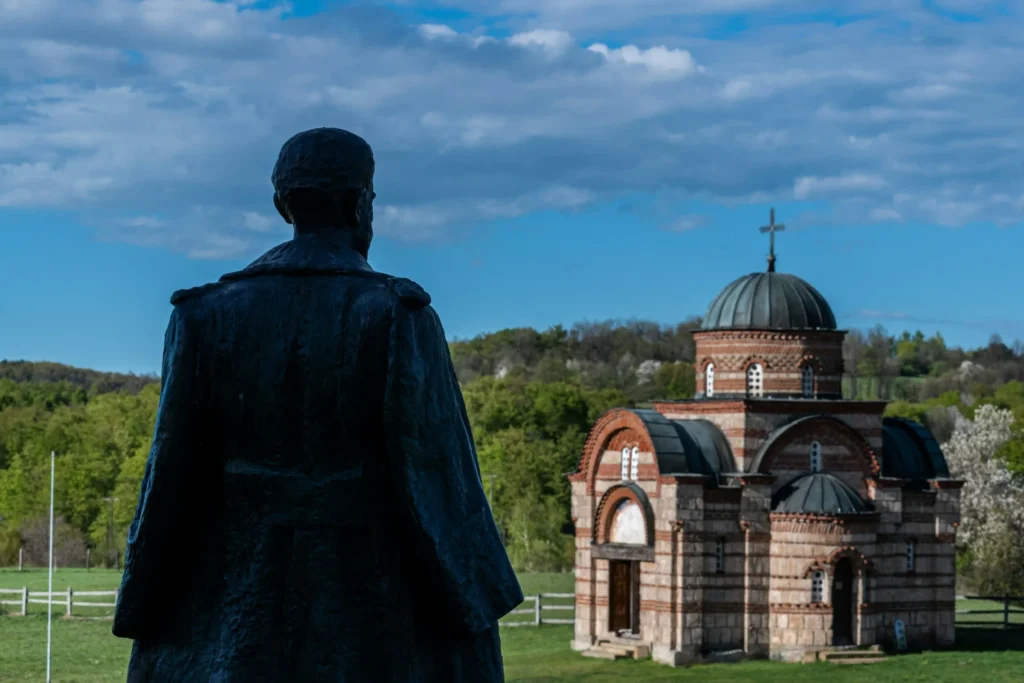
Zagreb Cathedral (Croatia)
The tallest building in Croatia, Zagreb Cathedral is a Neo-Gothic landmark and a central symbol of Croatian Catholic heritage.
Cathedral of Saint Tryphon (Kotor, Montenegro)
Dating back to 1166, this Romanesque cathedral reflects the Catholic maritime heritage of the Adriatic coast.
Historic Balkan mosques
Ottoman-Era Islamic Architecture
Gazi Husrev-beg Mosque (Sarajevo, Bosnia & Herzegovina)
Built in 1530, this mosque remains an active center of worship and learning, featuring a madrasa, library, and historic clock tower.
Et’hem Bey Mosque ( Tirana, Albania)
Famous for its nature frescoes—rare in Islamic art—this mosque symbolizes religious survival during Albania’s communist era.
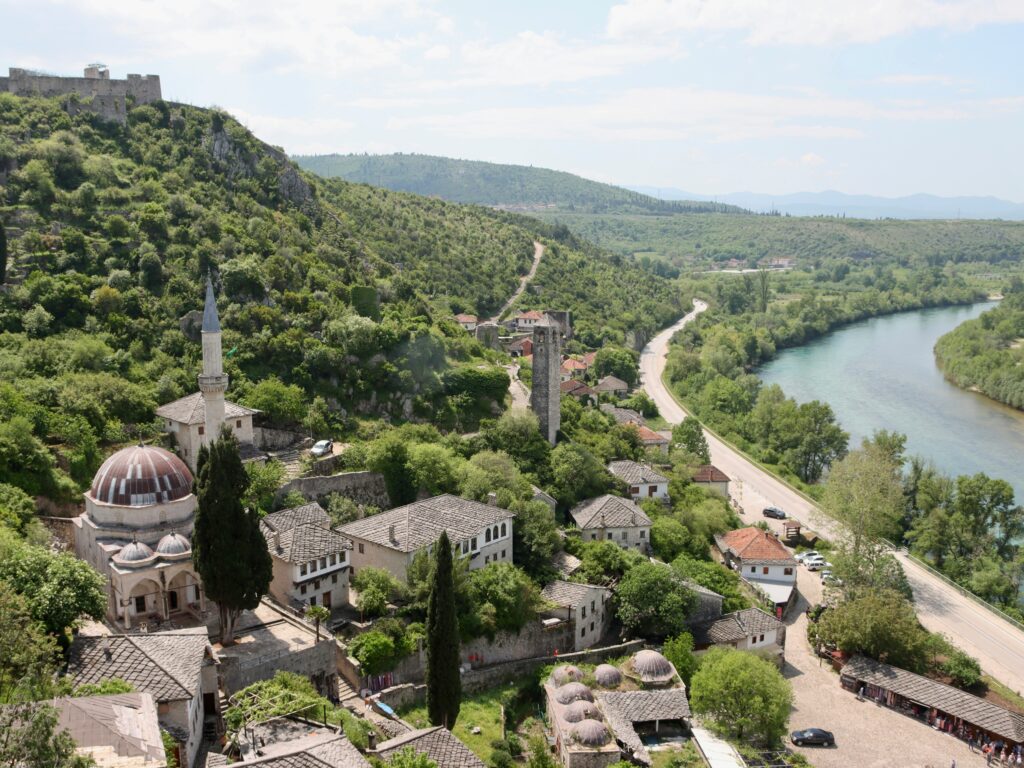
Sinan Pasha Mosque (Prizren, Kosovo)
Overlooking the old bazaar, Sinan Pasha Mosque is known for its rich interior calligraphy and dominant skyline presence.
Cities Where Churches and Mosques Coexist
Sarajevo – “The Jerusalem of Europe”
Within a few hundred meters, visitors can find a mosque, Orthodox church, Catholic cathedral, and synagogue—making Sarajevo a living symbol of interfaith coexistence.
Mostar
The iconic Stari Most bridge physically and symbolically connects Muslim and Christian quarters of the city.
Skopje
Ottoman mosques stand near Orthodox monasteries, reflecting centuries of shared urban life.
Suggested Religious Tour Itinerary (5 Days)
| Day | Destination | Key Religious Sites |
|---|---|---|
| 1 | Belgrade | Saint Sava Church |
| 2 | Sarajevo | Historic mosques and cathedrals |
| 3 | Mostar | Koski Mehmed Pasha Mosque |
| 4-5 | Dubrovnik | Franciscan Monastery |
Best Time to Visit the Balkans for Religious Tours
- April–June: Mild weather and fewer crowds
- September–October: Cultural festivals and warm temperatures
- Avoid: January–February due to snow and limited site access
Practical Travel Tips from Local Experience
Dress Code
- Cover shoulders and knees
- Headscarves required in mosques (often provided)
Behavior and Etiquette
- Maintain silence in churches
- Avoid photography during prayer unless permitted
Currency and Payments
- Euro used in Croatia and Montenegro
- Local currencies elsewhere
Safety
The Balkans are considered very safe for religious and cultural tourism. Respect local customs, especially in rural areas.
Why Choose a Guided Religious Tour?
Independent travel often misses historical nuance, symbolism, and access to monastic communities. A guided religious tour provides deeper understanding and respectful engagement.
Ajdinis Travel specializes in faith-based and cultural itineraries led by expert local guides with deep regional knowledge.
Frequently Asked Questions
Is the Balkans safe for religious tourism?
Yes. The region is welcoming, stable, and accustomed to interfaith visitors.
Can non-Muslims enter mosques?
Yes, outside prayer times and with appropriate dress.
Are religious tours suitable for seniors?
Absolutely. Most itineraries are moderate and customizable.
Do I need a visa?
Most travelers can enter visa-free or with Schengen access.
How many days are ideal?
Seven to twelve days offer a balanced religious and cultural experience.
Author & Trust Information
Written by a Balkan cultural travel specialist with over 15 years of hands-on experience designing religious, historical, and heritage tours across Southeast Europe.
This guide reflects first-hand site visits, collaboration with local historians and religious communities, and up-to-date travel standards.
Conclusion: A Journey of Understanding
A religious sites tour through Balkan churches and mosques is not about choosing one faith over another—it’s about understanding how civilizations shaped each other side by side.
If you seek context, access, and authenticity, Ajdinis Travel offers expertly guided journeys rooted in respect, experience, and local insight.
Your journey begins where Europe meets the East.
Ready to Experience the Sacred Balkans in Person?
Discover the Balkans beyond guidebooks with a carefully designed religious and cultural tour led by local experts. From historic Orthodox monasteries to Ottoman-era mosques, Ajdinis Travel offers authentic, respectful, and expertly guided journeys that bring history, faith, and culture together.
Explore our Religious & Cultural Balkan Tours with Ajdinis Travel
Travel with confidence, insight, and meaning.
FAQ
Other Posts
July 10, 2025
Things to see in Amman Jordan 2025 | Ajdinis Travel
January 10, 2023
How to Visit Ancient Ruins on Balkan Tours?
August 9, 2025
Discover Albania: A Hidden Gem of the Balkans
August 8, 2025
Greece and Italy Trip Guide: Tours, Tips & Must-Sees
August 10, 2025
Discover Egypt – Timeless Wonders & Travel Guide
April 9, 2023